



Once every five years, a comprehensive portrait of American agriculture emerges from the 2022 Census of Agriculture, a huge undertaking conducted by the USDA’s National Agricultural Statistics Service (NASS). This vast collection of data, meticulously gathered from millions of producers across the nation, offers an invaluable snapshot of the industry’s health and trends.
The Census of Agriculture captures the diversity of production practices, explores the characteristics of America’s agricultural workforce, and sheds light on the economic contributions of our nation’s farms and ranches.
This wealth of information serves as a critical resource for a wide range of stakeholders — from farmers and producers to agribusinesses and policymakers. But it also causes some groups to take up hand wringing over various trends. Personally, I saw a handful of articles lamenting the rise of “factory farms.”
So I looked into the data (OK, not all of it, because there’s so much to pore over in the 757-page document) to get a feel for some of the top trends. I’ll present them here as things I’m worried about … and the things I’m not worried about.
Things I worry about: Land in farms
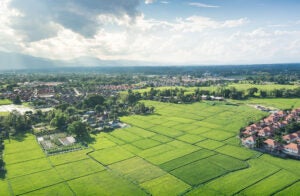
Since 1997, the number of acres in farmland has continually declined by more than 20 million acres. That’s about 2,000 acres — about the size of our family farm — every single day. And once that land is developed, it’s almost impossible to revert it back to farming.
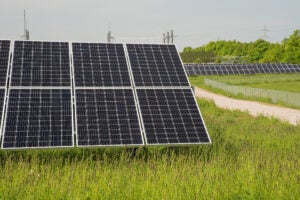
Traditionally, the biggest culprit is urban sprawl. But increasingly we’ve watched developers convert prime farmland into solar farms. Either way, the trend is alarming. As the human population continues to increase exponentially, we’ll need to produce more and more food.
Things I’m not worried about: Average size of farms
The average size of a U.S. farm is 463 acres, up only slightly from 441 in 2017. Despite the noise about “factory farms” and major consolidation, these numbers aren’t anything to be concerned about. Farms generally have to grow to keep up with inflation and the scalable efficiencies of input and labor costs. So adding a few more acres is just keeping up. In fact, the number of farms that are 2,000 acres or more has decreased slightly since 2017.
Things I worry about: Estimated value of land, buildings, and equipment
Agriculture takes a lot of assets to get started. The cost of land, equipment, and inputs is a barrier for new and young farmers. Unfortunately, the costs to operate a farm are continuing to increase.
The average value of land and buildings in 1997 was only $967. In 2022, that number rose to $3,846. In other words, the value of land and buildings per acre has increased by 398 percent during that time.
Farm equipment saw a similar increase. The average value of farm equipment is now $164,212 per farm. In 1997, the number was only $53,861. That means it takes significantly more cash to buy the equipment needed on an average farm.
Things I’m not worried about: Market value of agricultural products sold
The overall value of agricultural products sold is increasing steadily. The average farm’s goods were valued at $285,762 in 2022. That’s up significantly since 2017, which clocked in at $190,245 per farm. So while prices of inputs and initial investments are increasing, so is the value of the products sold.
Things I worry about: Average producer age
It’s a sobering reality: the average age of U.S. farms continues to climb, hitting 58.1 years in 2022. That’s about half a year higher than in 2017. Farmers tend to be older in southern states, and a big younger in the Midwest. The average farmer has about 23 years of experience.
Things I’m not worried about: Increase of young farmers
That said, for the first time, we’ve seen some good news. New and beginning producers — those with 10 or fewer years on the farm — are increasing in both the number of producers and the share of all producers. In 2022, over 1 million out of 3.4 million farmers were beginning farmers. But their farms tend to be smaller and have lower sales.
The 2022 Census of Agriculture is a fascinating look into the U.S. farming industry. The question is what we want to see in these trends five years from now. Will we continue to see the extraordinary loss of farmland? Can we invite and incentivize younger farmers to get in the tractor? And will we continue to increase the value of agricultural sales, while trying to keep pace with the costs?
Amanda Zaluckyj blogs under the name The Farmer’s Daughter USA. Her goal is to promote farmers and tackle the misinformation swirling around the U.S. food industry.