



Sustainability is more than just environmental impact. Sustainability is the ability to meet the needs of the present generation without compromising the ability of future generations to do the same, which broadens the measure of sustainability to include nutritional and economic sustainability. (Click here to find out more about animal ag’s improving environmental sustainability.)
Now, let’s find out how animal agriculture is nutritionally and economically sustainable.
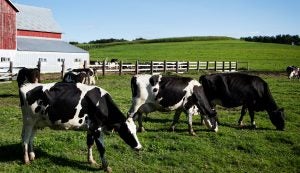
Animal agriculture provides many essential and under-consumed nutrients that are necessary for human health. Milk from dairy cattle, for example, contains 13 essential nutrients, contributing to a healthy diet. Dairy also contains calcium, vitamin D and potassium, which are three of the four under-consumed nutrients that are considered to be a public health concern.
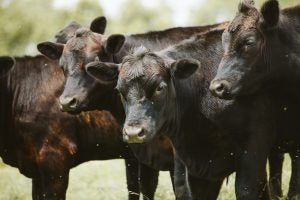
Beef also contains many essential nutrients, including protein. One 3-ounce serving of beef provides 25 grams of protein, which is about half of the daily recommended protein requirement for most people. Pork is also a great source of 11 nutrients, providing many key nutrients, including protein as well. Turkey and chicken are also sources of protein and other important nutrients.
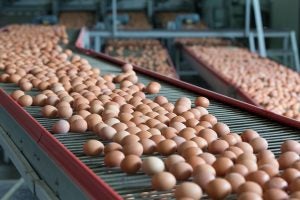
Eggs contain 13 essential vitamins and minerals, around six grams of protein and only about 70 calories. Lamb also provides a variety of nutrients, including protein, vitamin B12, selenium, zinc, niacin and more. These are just a few examples of the nutrients provided by animal-sourced foods.
Now let’s talk about how plant-based meat alternatives fit into the discussion.
Animal proteins are considered complete proteins because they contain a wide variety of amino acids that are necessary for human health. Animal proteins also provide protein at a moderate calorie load. Plant-based protein uses isolated plant proteins, fats, vitamins, and minerals when making products, which has been found by researchers “to underestimate the true nutritional complexity of Whole Foods (meat) in their natural state, which contain hundreds to thousands of nutrients that impact human health.”
It has also been found that animal foods are the best sources of vitamin B12, iron, zinc, essential fatty acids, as well as secondary (but necessary) nutrients like taurine and creatine when compared with plant-based alternatives. Researchers have also concluded that plant-based meat alternatives should be considered meat alternatives in terms of sensory experience, but not as true meat replacements in terms of nutrition.
Another interesting thing is the comparison between plant-based food and animal-based foods. When carbon footprints of plant-based foods and animal foods are compared considering nutrient density and amino acid content, the carbon footprints are similar. It was even found that plant-based meat alternatives have a higher or similar carbon footprint to well-maintained pasture-raised beef.
Animal agriculture also contributes significantly to the economy. If animal agriculture’s role was decreased (wrongly) due to environmental concerns, many jobs, wages and economic activity would be lost. According to the U.S. Department of Agriculture’s Economic Resource Service, in the United States sales of livestock, dairy and poultry products directly account for over $160 billion in agricultural cash receipts.
The United States dairy industry contributes 3 percent of the United States GDP, 3.2 million jobs, and $49 billion in direct wages. The dairy industry is also significantly growing. In the last two years, dairy has added nearly 60,000 new jobs, increased average wages by 11 percent, and increased its total impact on the U.S. economy by $41 billion. The meat and poultry industry in the United States contributes around $894 billion to the United States economy, which is just under 6 percent of the United States GDP, providing 5.9 million American jobs. The United States egg industry contributes $34.7 billion to the United States economy, provides 119,080 jobs and $6.7 billion in wages. The meat and egg industries have also been increasing in impact in recent years. The animal feed industry contributes even more to the economy in terms of jobs, wages, and more. Without animal agriculture, the United States would lose many jobs, wages, and economic activity.

Some people claim that animal agriculture is the main problem of climate change and that animal food products should be removed from diets in order to decrease greenhouse gas emissions and stop climate change. Climate change is a very complicated issue, and animal agriculture has already been working hard to be part of the solution to reduce greenhouse gas emissions and create a more sustainable planet. Animal agriculture continues to supply high-quality and nutrient-dense foods to people and remains an important part of many diets. Animal agriculture also provides many jobs, wages, and contributes greatly to United States economic activity.
With so many factors surrounding environmental, nutritional, and economic issue, animal agriculture does not have a negative effect on sustainability. By continuing to supply nutritious food while increasing efficiency, using less animals, decreasing greenhouse gas emissions, decreasing water use and more, animal agriculture is decreasing its environmental impact every day and working to create a better planet.
Michelle Miller, the “Farm Babe,” is an internationally recognized keynote speaker, writer, and social media influencer and travels full time to advocate for agriculture. She comes from an Iowa-based row crop and livestock farming background and now resides on a timber farm in North Central Florida.