




If you look up the food trends that prevailed throughout 2023, many sources — in fact, almost all of them that I found — mentioned “climate conscious” or “eco-conscious” diet. The term “climatarian” exploded during the year.
You might wonder how one becomes a climatarian. The Climatarian Diet website states that the diet is healthy, climate and nature friendly, and if you just cut out beef and lamb altogether, you can save lots of carbon emissions a year.
Cue the eyebrow-raising.
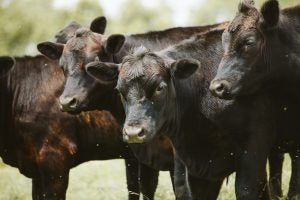
The climatarian movement seems to have a one-track mind toward meat. A climatarian’s plate is instead full of produce, nuts, grains, and plenty of plants and vegetables that contribute to soil health. Although a climatarian isn’t the same as a vegetarian or vegan, that is the way the diet often goes, as under the climatarian diet, beef and pork are poor choices since the movement claims beef and pork take more resources and emit more greenhouse gasses per unit.
This diet makes me think about a time when I was very young and my mom explained over dinner that we were eating a zero-mile meal, and we often do. Our dinners always had beef or pork that we raised and vegetables from a garden that my dad grew. If the meat on the table wasn’t raised in our backyard, it was from a neighbor or a friend — it never came from outside the county lines!
The beef and pork industries may have room to improve on their carbon footprint, but am I really contributing tons of carbon by eating beef we raised ourselves? Many sources claim that chicken is one of the “cleanest” meats for the climatarian diet, so what is worse? Buying commercial chicken, or eating zero-mile beef?
Climatarians believe that we need to be eating grains and vegetables that improve soil health, not hinder it. Typically this means long roots that aerate the soil, or legumes that fixate nitrogen. Climatarians don’t want to consume shallow rooted plants, or those that are invasive or take up too much water.
I grew up on the outskirts of the Sauerkraut Capital of the World, which means there’s a lot of cabbage grown in my dairy farm-dense hometown. Cabbage is a shallow rooted vegetable, and it takes a fair amount of water.
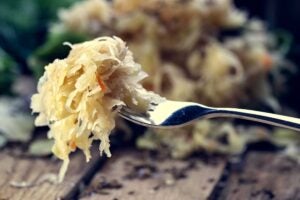
Yet, these cabbages play an integral role in crop rotations for local farmers. By increasing the variety of crop rotations in fields, we’re doing the soil a whole lot of good. Should I be writing off local cabbage and going for the beans from “who knows where” because they fixate nitrogen in the soil?
Reading snippets from climatarians interviewed in various articles — such as this one from The New York Times — I wonder how you can make climate smart choices just by reading a menu. Unless it’s specified, I don’t know how many miles my food options have traveled to get to my seat at the restaurant, and I also don’t know the standards that food was grown by.
In New York, we have a NYS Grown & Certified program that farmers can take part in, which puts a label on their food or fiber product stating that it was produced and processed in New York.
This local food initiative allows restaurants and stores to purchase certified NYS products to sell in New York state. This level of transparency makes it easy to be a “locavore,” which I think is the best way to start being a climatarian eater.
Don’t get me wrong, I think that being a climatarian is a great thing, and I strive to be a climatarian myself. But, I don’t agree with the mainstream definition of a diet rich in nuts and veggies and low in meat. To me, being a climatarian means cutting down on food miles and not wasting food. It also means not buying fresh produce out of season, and not consuming food that was imported to my area.
If you haven’t hopped on the climatarian bandwagon, hop on! But trust me, you’ll get sick of nuts pretty fast. Just focus on what’s local!
Elizabeth Maslyn is a born-and-raised dairy farmer from Upstate New York. Her passion for agriculture has driven her to share the stories of farmers with all consumers, and promote agriculture in everything she does. She works hard to increase food literacy in her community, and wants to share the stories of her local farmers.